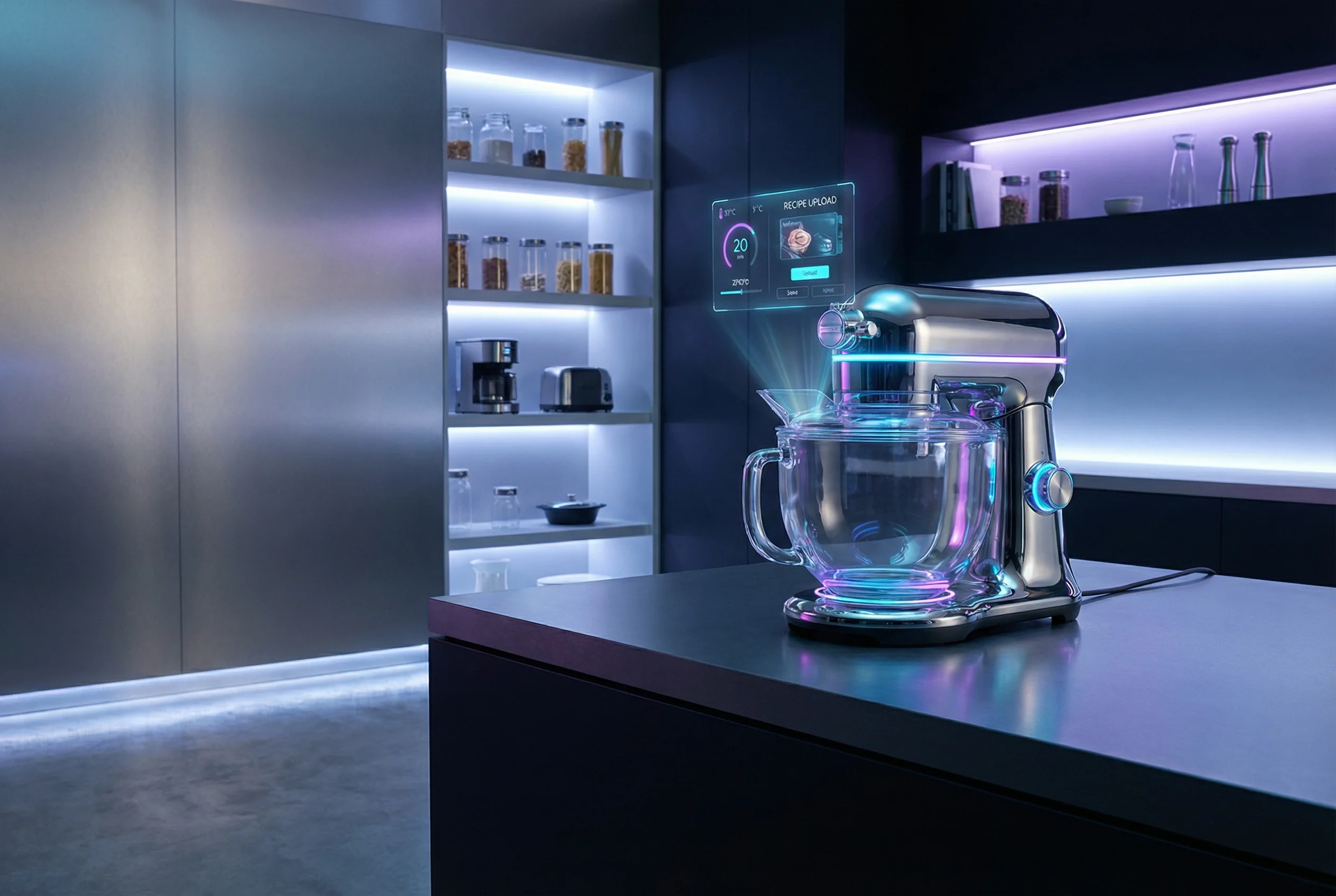
I’ve been baking seriously for over a decade, and the stand mixer question always comes up: Breville or KitchenAid? After six months of intensive testing. baking everything from delicate meringues to heavy bread doughs in both machines. I can finally settle this debate with confidence.
The Stand Mixer Landscape
Stand mixers aren’t just appliances; they’re investments in your baking future. A quality stand mixer transforms baking from a workout into a pleasure, handling tasks that would exhaust your arms and wrists. The difference between a mediocre mixer and a great one isn’t subtle. it’s the difference between lumpy cake batter and silky perfection, between inconsistent bread dough and professional results.
Two brands dominate the serious home baker market: KitchenAid, the iconic American brand that’s been making mixers since 1919, and Breville, the Australian innovator known for bringing commercial-grade features to home appliances.
KitchenAid Artisan: The Iconic Standard
The KitchenAid Artisan 5-quart stand mixer is arguably the most recognizable kitchen appliance in America. Its distinctive silhouette and rainbow of color options have made it a wedding registry staple for generations.
The Artisan uses a tilt-head design where the entire motor housing tilts back for easy bowl access. The 5-quart stainless steel bowl handles most home baking tasks comfortably. enough for 9 dozen cookies or 4 loaves of bread in a single batch.
The 325-watt motor operates through a 10-speed planetary mixing action. “Planetary” means the beater rotates around the bowl while also spinning on its own axis, ensuring thorough mixing without manual intervention. This design has remained essentially unchanged for decades because it simply works.
What truly sets KitchenAid apart is the attachment hub. That power takeoff port on the front accepts over 15 different attachments: pasta rollers, meat grinders, spiralizers, ice cream makers, and more. This transforms the mixer from a single-purpose appliance into a complete kitchen system.
The Artisan comes with three essential attachments: a flat beater for general mixing, a wire whip for aerating, and a dough hook for kneading. These cover 95% of home baking needs.
Breville Bakery Chef: The Innovation Challenger
The Breville Bakery Chef represents a more modern approach to stand mixer design. It’s a bowl-lift model where the bowl raises and lowers on a mechanical arm rather than the head tilting back.
The 5-quart glass bowl is a standout feature. Unlike stainless steel, glass allows you to see mixing progress without stopping. The bowl includes measurement markings and a pour spout. small touches that improve daily usability.
The 550-watt motor is more powerful than the KitchenAid’s 325 watts. This extra power becomes crucial when working with heavy doughs or large batches. The motor operates through 12 speeds with a slow-start feature that prevents flour clouds when you begin mixing.
Breville’s “Scraper Beater Pro” is innovative. The flat beater includes a flexible silicone edge that continuously scrapes the bowl sides during mixing. This eliminates the need to stop and manually scrape. a small convenience that becomes significant over hundreds of baking sessions.
The mixer includes a timer with automatic shutoff, a feature absent on the KitchenAid. Set it for 5 minutes of kneading and walk away. the mixer stops automatically when done.
However, Breville’s attachment ecosystem is limited. While it accepts some attachments, the selection is nowhere near KitchenAid’s extensive catalog. For bakers who want a complete kitchen system, this is a significant limitation.
Mixing Performance: Where It Matters Most
I tested both mixers with identical recipes to compare real-world performance.
Cake Batter: Both produced smooth, well-incorporated batter. The KitchenAid required one manual scrape halfway through mixing. The Breville’s scraper beater eliminated this step entirely, saving about 30 seconds. The glass bowl made it easier to judge when mixing was complete. Edge: Breville.
Cookie Dough: The KitchenAid handled standard cookie dough effortlessly. The Breville’s extra power was unnecessary for this task. Both produced identical results. Edge: Tie.
Bread Dough: This is where power differences become apparent. I made a 4-pound batch of whole wheat bread dough. a heavy, demanding task. The KitchenAid’s motor strained audibly, and the mixer “walked” slightly across the counter despite the suction feet. The Breville handled it without complaint, the motor barely working. Edge: Breville.
Meringue: Both whipped egg whites to stiff peaks beautifully. The KitchenAid’s wire whip incorporated slightly more air, producing marginally fluffier results. The difference was subtle but consistent across multiple tests. Edge: KitchenAid.
Heavy Cream: Both whipped cream perfectly in under 2 minutes. No meaningful difference. Edge: Tie.
Specifications
| Feature | Breville Bakery Chef | KitchenAid Artisan |
|---|---|---|
| Motor Power | 550 watts | 325 watts |
| Bowl Capacity | 5 quarts (glass) | 5 quarts (steel) |
| Design Type | Bowl-lift | Tilt-head |
| Speed Settings | 12 speeds | 10 speeds |
| Scraper Beater | Yes (built-in) | No |
| Timer Function | Yes | No |
| Attachment Hub | Limited | 15+ attachments |
| Color Options | 3 colors | 40+ colors |
| Price Range | $400-500 | $350-450 |
| Warranty | 2 years | 1 year |
Build Quality and Durability
The KitchenAid Artisan is built like a tank. The all-metal construction feels substantial. this is a mixer that could last 20+ years with proper care. The tilt-head mechanism is smooth and precise even after months of daily use. The planetary mixing action remains consistent and thorough.
However, the 325-watt motor is the Achilles heel. It’s adequate for most home baking but struggles with heavy doughs or extended mixing sessions. Some users report motor burnout after years of heavy use, though this is relatively rare.
The Breville feels equally well-constructed but in a different way. The bowl-lift mechanism is robust and precise. The more powerful motor handles demanding tasks without strain, suggesting better longevity for serious bakers who regularly work with heavy doughs.
The glass bowl is both a feature and a concern. It’s beautiful and functional, but glass can break. Breville uses tempered glass that’s quite durable, but it’s still more fragile than stainless steel. Replacement bowls cost about $80.
Ease of Use: Daily Realities
The KitchenAid’s tilt-head design is incredibly convenient. Tilt back the head, add ingredients, lower it down, and start mixing. Removing the bowl is equally simple. This design makes the mixer feel approachable and easy to use.
The attachment hub is straightforward. slide in the attachment, turn the collar to lock, and you’re ready. Switching between beaters takes seconds.
The Breville’s bowl-lift design requires two hands: one to hold the bowl, one to operate the lever. It’s not difficult, but it’s less intuitive than the tilt-head. However, the bowl-lift design is more stable for heavy mixing tasks.
The scraper beater is a genuine convenience. Not having to stop and scrape the bowl saves time and reduces mess. The timer function is similarly useful. set it and focus on other prep work.
The glass bowl’s measurement markings are helpful for recipes that build in the bowl. The pour spout makes transferring batter cleaner and easier.
Cleaning: The Unglamorous Truth
Both mixers have dishwasher-safe bowls and attachments, but hand-washing is recommended for longevity.
The KitchenAid’s stainless steel bowl cleans easily. nothing sticks to the smooth surface. The beaters rinse clean in seconds. The mixer body wipes down with a damp cloth. Total cleaning time: about 3 minutes.
The Breville’s glass bowl is equally easy to clean, though you must be more careful handling it. The scraper beater’s silicone edge requires extra attention. flour and butter can get trapped in the crevice where silicone meets metal. This adds about a minute to cleaning time.
Both mixers accumulate flour dust around the attachment hub and speed control. A quick wipe after each use prevents buildup.
The Attachment Ecosystem
This is where KitchenAid’s decades of market dominance become apparent. The attachment hub accepts over 15 official attachments plus dozens of third-party options. Want to make pasta? There’s an attachment. Grind meat? There’s an attachment. Spiralize vegetables, make ice cream, mill grain. there’s an attachment for everything.
This ecosystem transforms the mixer from a baking tool into a complete food preparation system. For home cooks who want versatility, this is invaluable.
Breville offers a handful of attachments. pasta roller, meat grinder, food processor. but the selection is limited. The attachments that exist are well-designed and high-quality, but you don’t have the endless options that KitchenAid provides.
For pure baking, this doesn’t matter. For broader kitchen versatility, it’s a significant limitation.
Value and Investment
The KitchenAid Artisan typically costs $350-450 depending on color and sales. It’s a proven design with excellent resale value. used KitchenAids in good condition sell for 60-70% of retail price.
The Breville Bakery Chef costs $400-500, making it slightly more expensive. The extra cost buys you more power, the scraper beater, the timer, and the glass bowl. Whether these features justify the premium depends on your baking habits.
For occasional bakers who make cakes and cookies a few times per month, the KitchenAid offers better value. For serious bakers who regularly work with bread doughs and heavy batters, the Breville’s extra power justifies the cost.
Which Should You Choose?
After six months of intensive testing, here’s my recommendation:
Choose the Breville Bakery Chef if:
- You regularly bake bread or work with heavy doughs
- You want the most powerful motor for demanding tasks
- The scraper beater and timer appeal to you
- You prefer seeing mixing progress through a glass bowl
- You don’t need extensive attachment options
- You’re willing to pay a premium for innovation
Choose the KitchenAid Artisan if:
- You want the most versatile kitchen system
- The extensive attachment ecosystem matters to you
- You prefer the iconic design and color options
- Tilt-head convenience is important
- You’re an occasional to moderate baker
- You want proven reliability and strong resale value
The Final Verdict
The KitchenAid Artisan Stand Mixer wins as the better choice for most home bakers.
Here’s my reasoning: While the Breville offers superior power and innovative features, the KitchenAid’s combination of proven reliability, extensive attachment ecosystem, and iconic design make it the smarter long-term investment.
The attachment hub is the deciding factor. A stand mixer isn’t just for mixing. it’s a platform for food preparation. The ability to add pasta rollers, meat grinders, and other attachments transforms the mixer from a single-purpose appliance into a complete kitchen system. This versatility justifies choosing KitchenAid even though the Breville has a more powerful motor.
For most home bakers, the KitchenAid’s 325-watt motor is adequate. Yes, it struggles with very heavy doughs, but how often do you make 4-pound batches of whole wheat bread? For typical baking. cakes, cookies, standard bread recipes. the KitchenAid performs beautifully.
The tilt-head design is more convenient for daily use. The ability to tilt back the head with one hand while holding ingredients in the other makes baking feel more fluid and natural.
However, if you’re a serious bread baker who regularly works with heavy doughs, the Breville’s extra power is worth the premium. The scraper beater and timer are useful innovations that improve the baking experience. Just understand that you’re sacrificing the attachment ecosystem for these features.
For most people, the KitchenAid Artisan represents the sweet spot of performance, versatility, and value. It’s the mixer I recommend to friends, and the one that remains on my counter for daily use.